Romeo & Juliet… (and Romeo & Juliet, and Romeo & Juliet)
“My bounty is as boundless as the sea,
My love as deep; the more I give to thee,
The more I have, for both are infinite.”
— Juliet, Act 2 Scene 2
They are, without a doubt, among the best-known of all of history’s fictitious lovers.
Think about it: How many educated humans in the world can describe the basic plot of Romeo & Juliet (or at least think they can)?
(Here’s a 3-minute animated summary if you need a refresher)
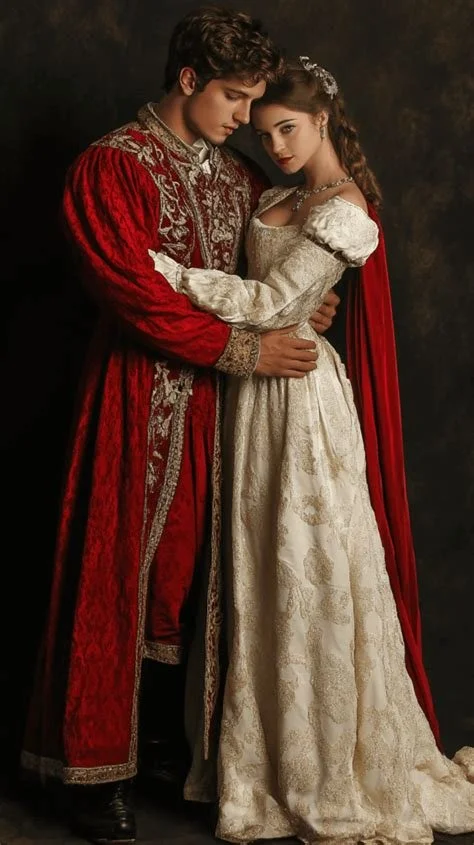
How many can pick traditional R&J costumes out of a lineup?
How many can quote directly from the play?
“A rose by any other name would smell as sweet.”
“Parting is such sweet sorrow…”
“A plague on both your houses!”
How many can HUM something from R&J? Aye, there’s the rub. (Whoops, that’s from Hamlet…)
For of the dozens of ballets (starting in 1935), operas(starting in 1776), films (starting in 1900), and TV adaptations, three entirely different musical compositions are well-recognized within figure skating’s dramatic storytelling community:
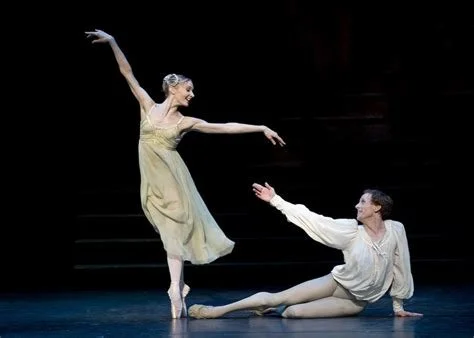
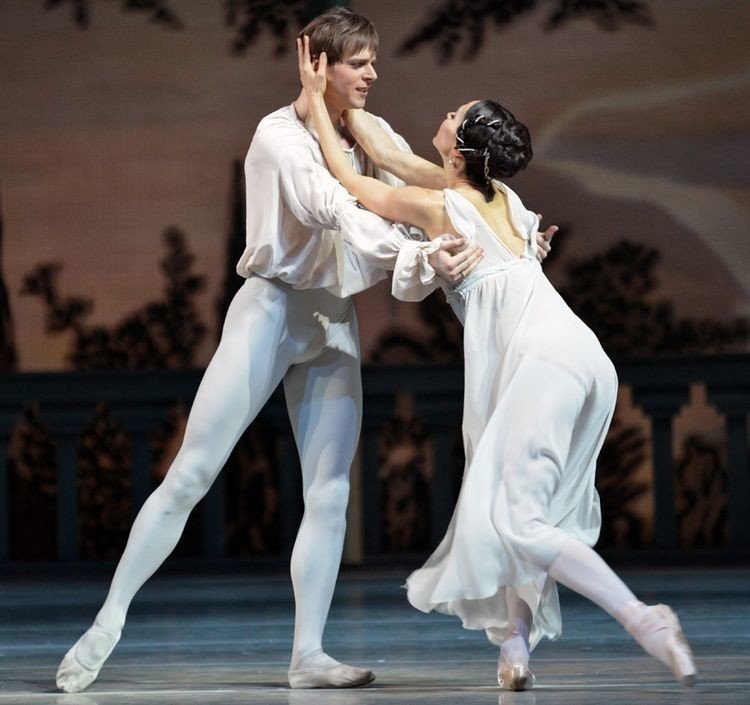
The ballet, composed by Sergei Prokofiev in the 1930s…
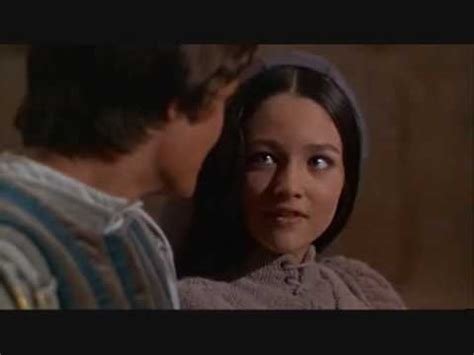
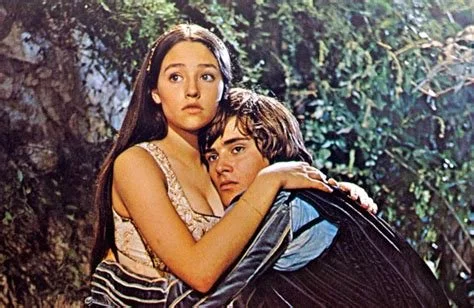
The 1968 film, with a score by Nino Rota…
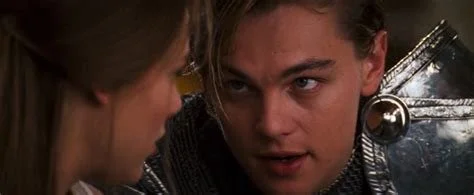
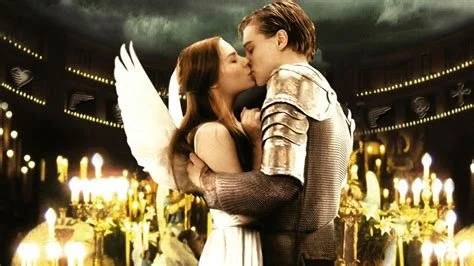
And the 1996 film, a modern adaptation with a score by Craig Armstrong, Nellee Hooper, and Marius de Vries.
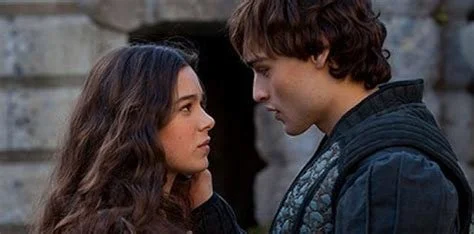
A FOURTH Romeo & Juliet– with a traditional setting, a lot of liberties taken with the original Shakespearean text, and a score by Abel Korzeniowski– has also gained some (ice) traction over the past decade.
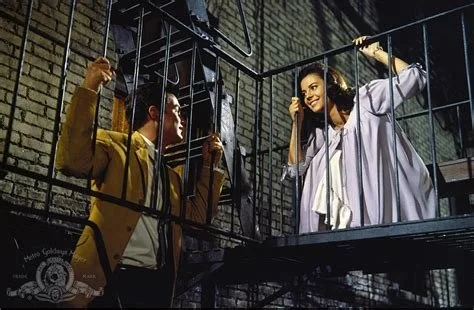
And am I forgetting the contemporary MUSICAL adaptation of R & J, better known as West Side Story (a Broadway show adapted for the screen both in 1961 and 2021)? No way. But so much skating history lies with WSS all by itself that I plan to give it its own article in the future.
ABOUT THE BALLET…
Russian composer/pianist/conductor Sergei Prokofiev (1891-1953) was commissioned by the Kirov Theatre to create what eventually became the internationally acclaimed Romeo and Juliet ballet. However, his original vision gave the doomed lovers an unheard-of happy ending…so what he first composed in 1934 was significantly revised by the time of its 1940 debut!
(If you’re interested in seeing what that original staging looked like, check out the filmed version that was released in 1955– featuring the original “Juliet” Galina Ulanova.)
One of the best-known versions of an all-Prokofiev R&J program is the one skated by Maria Anissina and Gwendal Peizerat that earned them an Olympic Bronze Medal in 1998.
“The most exciting Shakespeare film ever made” is what film critic Roger Ebert once called the 1968 adaptation of R&J, directed by Franco Zeffirelli and featuring a score by Italian composer Nino Rota.
Much of the admiration for Rota’s score is rooted in “A Time For Us,” the love theme so popular, it knocked The Beatles’ “Get Back” out of the top spot on the Billboard Hot 100 for two weeks in 1969!
Sasha Cohen’s 2005-06 season featured this Rota R&J program; it became one of the best-known of her career, also helping her secure an Olympic Silver Medal in 2006.
Then in 1996 came a modern adaptation (stylized as William Shakespeare’s Romeo + Juliet), featuring up-and-comers Leonardo DiCaprio and Clare Danes and directed by Baz Luhrmann— who skating fans might know for another popular film, Moulin Rouge.
Do other skating fans quickly associate South Korea’s Jun-Hwan Cha with this R+J soundtrack (punctuated by Romeo bellowing “JULIET!!!!” midway through Cha’s performance)?
I certainly do…
Something that happens in skating much more than you might expect are R&J HYBRIDS— combinations of at least two different soundtracks. This program from Bradie Tennell combined music from the ballet, the ‘68 film, AND the ‘96 film!
In fact, the R&J program that took Japan’s Mone Chiba to a World Silver Medal in 2026 combined music from the 1996 and 2013 films— maybe the first hybrid of its kind?
But when Emilea Zingas and Vadym Kolesnik brought the USA a 5th place finish at the 2026 Olympics (and a World Bronze Medal one month later), it was Prokofiev’s R&J through and through.